
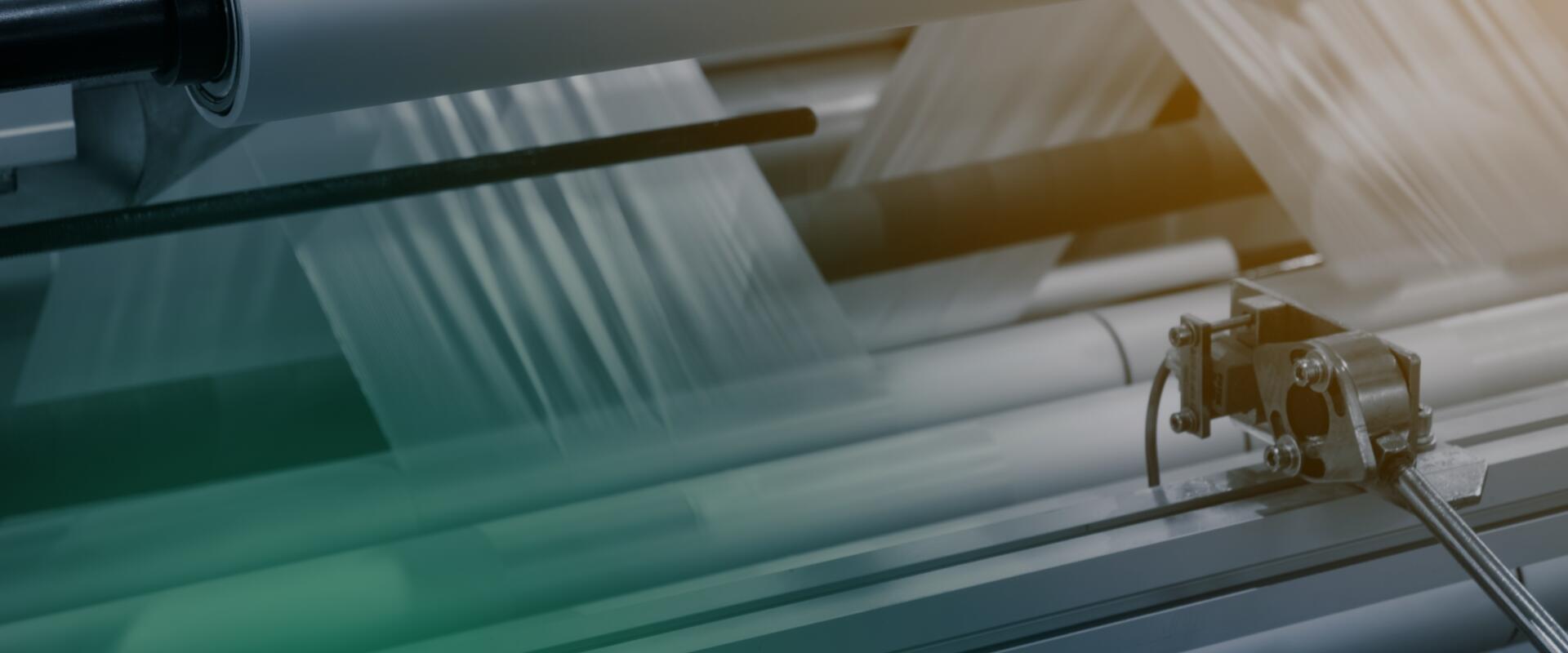
Flexible Plastic Packaging: Step-by-Step Manufacturing Guide
Plastic packaging is everywhere in our daily lives. From the food you buy at the supermarket, to clothes ordered online, cleaning products at home, and daily health supplements, it makes products easy to use while keeping them well-protected.
Among various types of plastic packaging, flexible formats such as plastic bags and pouches are especially common. They are lightweight and versatile, making them ideal for many everyday products.
But how is this small yet essential item made? In this article, we explore the manufacturing process of flexible plastic packaging.
What Is Flexible Plastic Packaging?

Flexible plastic packaging is made from thin, bendable materials that can be easily formed into a variety of formats, such as plastic bags, stand-up pouches, shrink wraps, and films. Unlike rigid packaging, such as boxes or bottles, it can bend, fold, or roll without breaking.
In addition to providing strong protection for products, flexible packaging is lightweight, space-saving, and convenient for storage and transportation. It is widely used across industries for items such as snacks, powdered goods, fresh foods, frozen products, and personal care items.
Beyond these functional benefits, flexible packaging also supports branding and marketing through customizable printing and innovative shapes, offering businesses greater design flexibility and product appeal.
Flexible Plastic Packaging Manufacturing Process
The manufacturing of flexible plastic packaging involves nine key steps, each essential for ensuring the final product is functional, visually appealing, and high-quality.
Design
The process begins with design, where the packaging’s structure, appearance, and material are defined. Factors such as product sensitivity, storage, transport, and sustainability are considered. Proper design ensures efficient production, cost control, and reliable performance.Rotogravure Cylinder Making
Once the design is finalized, engraved cylinders are created to transfer ink onto the film. Cell design, angle, and resolution affect ink coverage and print quality. Accurate cylinder making ensures brand color consistency and minimizes defects during printing.Rotogravure Printing
With the cylinders ready, films are printed in multi-color, roll-to-roll processes. Ink properties, drying, speed, and tension control influence image clarity and brand presentation. This step is important for visual appeal and effective brand communication.Laminating
After printing, multiple film layers are bonded to combine properties like sealability, strength, transparency, and barrier performance. Proper lamination ensures the packaging meets product-specific needs and affects cost and environmental impact.Curing
Following lamination, laminated rolls are stored under controlled conditions to allow adhesives to fully set. Adequate curing strengthens bonds, prevents layer separation, and avoids sealing or odor problems, ensuring product integrity.Slitting
Once curing is complete, large rolls are cut into narrower sizes for further processing. Precise slitting prevents wrinkles, misalignment, or damage, improving material efficiency and smooth production flow.Folding
The slit films are then folded into the required shapes, such as gussets or stand-up bases. Accurate folding affects filling stability, shelf presentation, and consumer convenience.Bag Making
Next, the folded films are cut, heat-sealed, and formed into bags. Functional features such as zippers or spouts are added. Careful control of this stage protects graphics, ensures airtight seals, and delivers the final usable product.Quality Control
Finally, finished products undergo quality inspection to check seal strength, print accuracy, size, and barrier performance. Random checks detect defects early, ensuring consistent quality, protecting brand reputation, and reducing waste.
Elevate Your Brand with Custom Plastic Bags
Plastic bags may seem simple, but their quality, appearance, and durability can have a big impact on your brand. Understanding the manufacturing process shows how well-designed bags are made, from initial design to final quality checks, with every step carefully executed. Once you know the process, you can decide which type of bag best fits your needs. Partnering with a trusted manufacturer ensures your bags meet quality standards and deliver the desired impact for your brand.
At T.E. Bags, we are known for our innovation and integrity. We provide complete solutions from design to bag making, helping businesses across various industries create high-quality, visually appealing plastic bags. We can produce bags in up to 8 colors to make a lasting impression on your customers. Functionality, quality, and durability are our priorities, and we continue to develop sustainable plastic solutions that align with industry trends and future demands.
Looking for plastic bags that add value to your products? Contact us today for a one-stop solution.
FAQs
Q1: What materials are commonly used in plastic packaging?
Common materials include PET, NY, OPP, CPP, PP, and PE.
Q2: How many colors can rotogravure printing support?
Rotogravure printing can handle designs from 1 to 8 colors.
Q3: Can resealable features like zippers or sliders be added during bag making?
Yes. Zippers or sliders are typically added as post-applied components during production.